Starting A Rental Portfolio In Katy And Fulshear
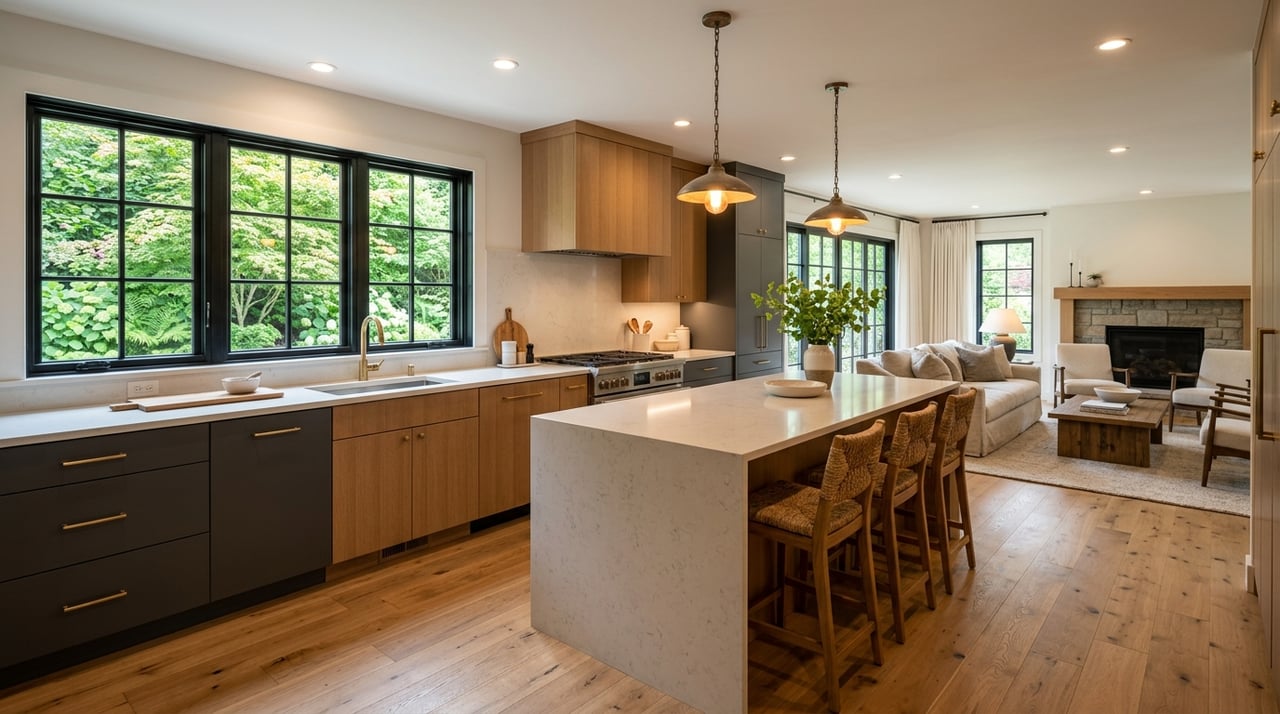
If you want to start a rental portfolio in Katy and Fulshear, the good news is that you do not have to guess your way through it. These neighboring areas offer very different entry points, rent bands, and ownership costs, which can make or break your first deal. If you understand where the numbers shift and what to check before you buy, you can build a smarter foundation for long-term investing. Let’s dive in.
Katy and Fulshear sit in one of Greater Houston’s fast-growing suburban corridors, but they are not the same rental market. That matters if you are trying to choose a first property that fits your budget, cash flow goals, and risk tolerance.
According to Realtor.com market data for Katy, the median home price was about $375,000 in January 2026, with a median rent of $2,150. In nearby Fulshear, Realtor.com’s Fulshear market snapshot showed a median home price of about $535,000 and a median rent of $2,700.
That difference creates two distinct starter paths. Katy generally offers a lower entry price and a broader rent range, while Fulshear tends to lean toward newer homes, larger floor plans, and higher monthly rents with higher carrying costs.
Fort Bend County was classified by Realtor.com as a buyer’s market in January 2026. For investors, that can be helpful when you are negotiating purchase price, repair requests, or seller concessions.
Rent growth also varies between the two areas. Katy posted year-over-year rent growth of 3.19%, while Fulshear was flat at 0%, based on the same Realtor.com snapshots. That does not automatically make one better than the other, but it does suggest Katy may offer a little more momentum if you are focused on rent growth.
On a quick screen, the current median numbers imply rough gross rent-to-price ratios of about 6.9% in Katy and 6.1% in Fulshear before taxes, HOA dues, insurance, vacancy, management, and reserves. That is only a filter, not a cap-rate calculation, but it is a useful starting point when you compare deals.
If you are building your first one or two rentals, the biggest question is usually not which town sounds better. It is which market better matches your investment strategy.
Katy often makes sense for investors who want a lower acquisition price and wider tenant affordability. The local rent bands give you several ways to enter the market without jumping straight into the highest-priced neighborhoods.
In Katy, the 77493 ZIP code had a median rent of $2,250, while 77494 came in at $2,400, according to Realtor.com. Premium neighborhood examples ran much higher, including Cane Island at $4,000, Grand Lakes at $3,400, and Firethorne at $3,300.
For a starter portfolio, that usually means you can focus on the middle of the market rather than chasing the most expensive homes. It may also help you keep your basis lower while still targeting strong suburban rental demand.
Fulshear may appeal to investors who are comfortable with a higher purchase price in exchange for newer inventory and larger homes. In 77441, the median rent snapshot was $2,765, with premium neighborhood examples such as Cross Creek Ranch at $3,000 and Fulbrook on Fulshear Creek at $3,974.
That sounds attractive on the income side, but your total monthly costs can rise quickly. In many newer communities, the combination of taxes, HOA dues, and special district costs can narrow your margin more than expected.
Knowing the typical rental stock helps you avoid underwriting a property as if it belongs to a different segment. In both markets, detached single-family homes are common, but the size and pricing often differ.
Current Katy rental examples are often detached 3- to 4-bedroom, 2-bath homes around 1,600 to 1,900 square feet, typically listed around $1,990 to $2,075 per month. Examples in the market snapshot included:
One Katy example in Fort Bend County, 28427 Buffalo Fork Ln, reflects the newer suburban stock many investors target. It is a 2018 single-family home with 3 bedrooms, 2 baths, 2,314 square feet, a $1,000 annual HOA fee, and utility-district and deed-restriction flags.
Fulshear rental listings tend to skew larger and more expensive. Current examples included:
In Cross Creek Ranch, a 2024 townhouse example was 3 bedrooms, 2.5 baths, 1,828 square feet with a $1,300 annual HOA fee. A 2026 single-family example in the same area showed a $104 monthly HOA. Those details point to a market with newer inventory and stronger top-line rents, but also more recurring costs to track.
A lot of first-time investors focus heavily on mortgage payment and market rent. In Katy and Fulshear, that can lead to a misleading picture of your real cash flow.
Texas does not have a state property tax. Instead, local taxing units set rates, and annual bills can include county, school district, and special-district levies, according to the Texas Comptroller’s property tax overview.
That means two homes with similar prices can still produce very different ownership costs. Fort Bend County directs property owners to its property tax database, which should be part of your underwriting process every time.
Recent listing histories also show how much variation can exist in the same corridor. One Katy home carried 2025 taxes of $7,144, while a Fulshear Cross Creek Ranch townhouse carried 2025 taxes of $9,974, based on this Realtor.com listing history example.
Municipal utility districts, or MUDs, are especially important in newer suburban communities. The Texas Commission on Environmental Quality explains that a MUD is formed to provide utility services to a designated area.
These districts can also affect your tax bill. In practice, utility-district taxes can materially change your monthly carrying costs, especially in newer subdivisions where buyers may focus on the home itself and overlook the tax structure behind it.
HOA fees are only part of the picture. You also need to review lease-related restrictions, occupancy rules, deed restrictions, and resale documents before you close.
Under Texas Property Code 209.0056 and related HOA requirements, associations may enforce leasing and occupancy restrictions and request tenant contact information and lease term details. Resale certificates can cost up to $375, with updates up to $75, and the association must deliver them within seven business days.
If you are buying a rental, do not assume you will benefit from a homestead exemption. The Texas Comptroller’s exemption guidance states that a homestead exemption requires the owner’s principal residence.
For investor-owned rental property, that means you should underwrite the deal without those savings. This one mistake can make a projected return look much better on paper than it will be in reality.
If you are starting a rental portfolio, keep your underwriting process straightforward and repeatable. In Katy and Fulshear, a practical sequence looks like this:
This order matters because the tax and dues stack can change the deal more than the interest rate does. In these submarkets, it is often the layered carrying costs, not just the purchase price, that separate a solid rental from a frustrating one.
For many first-time investors, Katy is often the easier place to begin. The lower median home price, broader rent bands, and more moderate entry point can make it easier to buy your first property without stretching too far.
Fulshear may still be the right fit if you want newer inventory and are prepared for a higher-capital strategy. But if your goal is to build a starter portfolio with room to learn, compare, and scale carefully, Katy often gives you more flexibility.
In either market, premium communities such as Cane Island or Fulbrook on Fulshear Creek may be better viewed as higher-capital plays than entry-level portfolio properties. Those homes can produce strong rents, but they usually come with a cost structure that deserves especially careful review.
Starting a rental portfolio is not about finding a perfect market. It is about choosing a market you can understand, underwrite clearly, and manage with discipline.
In Katy and Fulshear, that means looking beyond list price and rent headline numbers. When you account for taxes, MUDs, HOA rules, and realistic operating reserves, you can make decisions that support long-term growth instead of short-term guesswork.
If you want local guidance on buying in Katy or Fort Bend County with a clear eye on numbers, inventory, and community-level details, connect with Serene Wong for expert support tailored to your goals.
Stay up to date on the latest real estate trends.