Katy New Construction vs Resale Homes: What To Consider
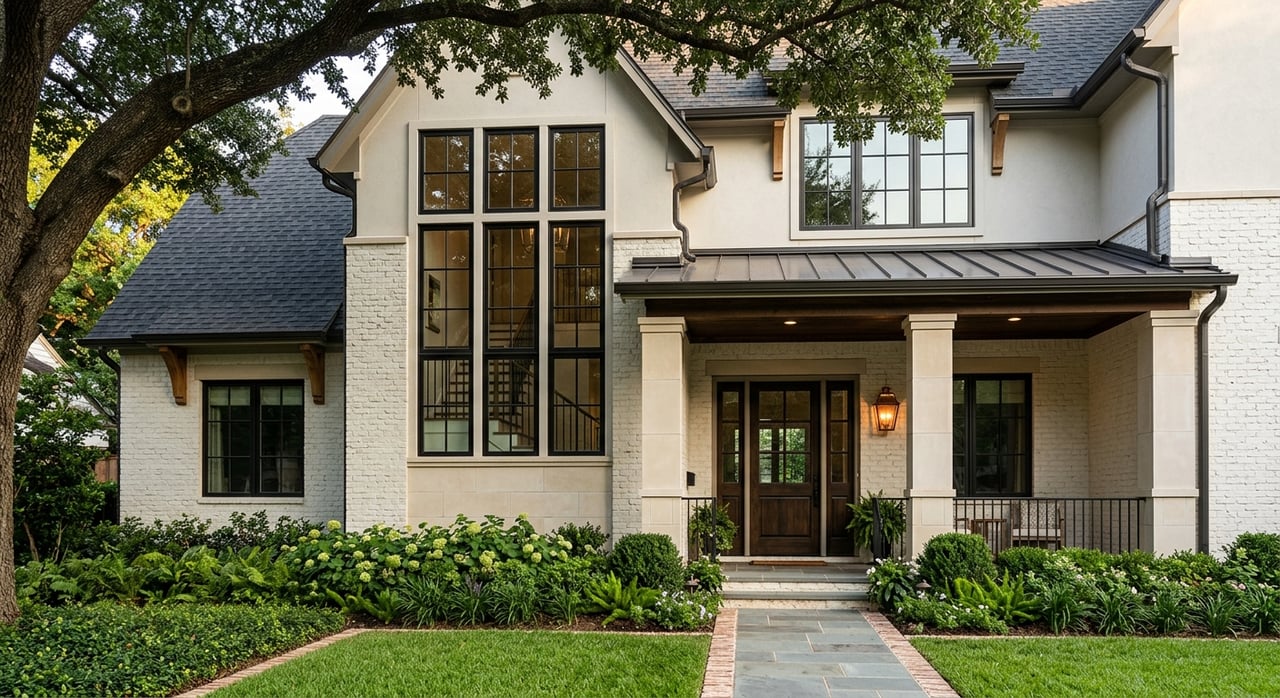
Buying in Katy can feel simple at first: choose a shiny new build or go with a resale home that is already lived in. But once you look closer, the decision is not really that simple. In Katy, where location, tax structure, inventory, and development details can change from one area to the next, the better choice depends on how you want to live and what you want your monthly costs to look like. This guide will help you compare new construction and resale homes in Katy so you can make a smart, confident move. Let’s dive in.
Katy is not one uniform market. The City of Katy describes itself as the hub of Harris, Waller, and Fort Bend counties, and that matters because similar-looking homes can fall under different county tax offices, appraisal districts, and school-tax processes.
That local structure can affect your taxes, paperwork, and ongoing costs more than many buyers expect. It also means a new construction home in one part of Katy may not compare neatly to a resale home just a few miles away.
Market conditions also vary across nearby Katy submarkets. As of April 2026, HAR reported median sold prices of $302,612 in Katy-North, $485,212 in Katy-Southeast, and $569,832 in Katy-Southwest, while inventory ranged from 3.1 to 4.4 months in those areas. In Fort Bend South and Richmond, inventory was 5.1 months with a median sold price of $366,888.
That spread matters when you are choosing between a builder community and an established neighborhood. In some areas, buyers may have more room to negotiate, while in others, pricing may stay firmer because of lower inventory or higher demand.
A new construction home can be appealing if you want modern layouts, current finishes, and the feeling of being the first owner. You may also like having fewer immediate repair concerns compared with an older home.
Many buyers are drawn to predictable design, energy-efficient features, and the chance to choose certain finishes or floor plans. If you want a move-in-ready home with a fresh start, new construction can check a lot of boxes.
The builder’s advertised price is not always the full story. If the home is not yet built, buyers may be asked for an upfront deposit, and closing costs still need to be part of the budget.
The CFPB says closing costs typically run about 2% to 5% of the home price. That means the real comparison is not just the builder’s base price. It is your total cash needed, full monthly payment, and long-term loan terms.
Builder incentives also deserve a careful look. If an incentive is tied to a preferred lender or specific closing terms, you should compare that full offer with other loan options instead of focusing on the headline credit alone.
One common advantage of new construction is the builder warranty. According to the FTC, these warranties often cover workmanship and materials for about 1 year, systems like HVAC, plumbing, and electrical for about 2 years, and certain major structural defects for up to 10 years.
That said, coverage is usually limited. Appliances, small cosmetic cracks, and temporary living expenses during repairs are often not covered, so it is important to ask exactly what protection comes with the home.
In Katy, one of the biggest checks for a new-build purchase is whether the property is in a Municipal Utility District or another special taxing district. Texas A&M’s Real Estate Center explains that MUD taxes are used to repay infrastructure bonds for services like water, sewage, and drainage in newer developments.
That can make a new home’s total tax burden higher than expected. A home that looks competitive on price can feel very different once you add the district tax to your monthly payment.
A resale home gives you something a new build cannot: an existing property with a visible history of wear, updates, and neighborhood context. You can often see mature landscaping, established streets, and how the home actually lives day to day.
That can be valuable if you want fewer unknowns about the lot, surrounding homes, or overall setting. In a resale purchase, you are evaluating the real thing rather than a model, a plan, or a promise.
With resale homes, inspection protection becomes especially important. The CFPB recommends making your offer contingent on financing and on a satisfactory inspection.
That matters because resale buyers are often trading builder warranty protection for the chance to closely review the home’s actual condition before closing. Roof age, maintenance history, plumbing issues, and deferred repairs can all shape the true cost of ownership.
Katy’s resale market still gives buyers useful leverage in many situations. Redfin’s March 2026 snapshot showed a citywide median sale price of $340,000, about 55 days on market, a 95.4% sale-to-list ratio, and 38.6% of homes seeing price drops.
That tells you negotiation still matters. In the right situation, a resale home may offer room to negotiate on price, repairs, or seller concessions in a way that some builder contracts do not.
Texas does not have a state property tax. Property taxes are assessed and administered locally, which is a major reason your monthly payment can vary significantly from one Katy home to another.
For residence homesteads, Texas school districts must provide a $140,000 exemption. Local taxing units can also adopt a local-option exemption of up to 20% of appraised value with a minimum of $5,000, and homeowners who are age 65 or older or disabled may qualify for an additional $60,000 school-tax exemption.
If you are buying in Fort Bend County, there is a practical point worth knowing. The county says buyers may file for a homestead exemption in the same year they purchase a new home, and the application is filed with the Fort Bend Central Appraisal District.
The general exemption application deadline is before May 1. Fort Bend County also notes that applications filed after September 1 must include a Texas driver’s license or DPS ID with the property address matching the homestead address.
Fort Bend Central Appraisal District reported that residential market values increased about 3.88% from 2025 to 2026. It also noted that some homestead-exempt properties are limited by the 10% homestead cap on taxable-value increases.
For new construction, the Texas Comptroller says appraisal districts appraise taxable property at market value and that the cost approach is best for new construction. In practical terms, that means the first appraisal on a new build can feel high because it is closely tied to build cost and location, not just the builder’s advertised number.
In Katy, the long-term decision is often less about new versus resale and more about where the home sits. County lines, school-tax processes, and special districts can all affect what you pay now and how the property may appeal to future buyers.
This is one reason two homes with similar square footage and finish level can carry very different monthly costs. Before you compare homes, make sure you are comparing the full payment, not just the purchase price.
Flood risk and insurance cost should be part of your comparison from the start. The CFPB recommends looking at disaster risk and insurance cost before committing, and FEMA identifies its Flood Map Service Center as the official source for flood hazard mapping products.
For Katy buyers, that means reviewing flood exposure for both new and resale homes, especially when you are comparing different lots, communities, or drainage conditions. A lower price can lose its appeal quickly if insurance costs are much higher than expected.
Whether you are leaning new or resale, these questions can help you compare options more clearly:
The best Katy home is not always the newest one or the one with the lowest sticker price. It is the home that fits your budget, tax picture, location goals, and future plans with the fewest surprises.
In a market where inventory has risen year over year in several Katy-area segments and citywide homes have still sold at about 95.4% of list price on average, details matter. If you compare new construction and resale homes through the lens of taxes, warranties, inspections, flood risk, and resale potential, you are much more likely to make a decision you feel good about long after closing.
If you want help comparing homes across Katy and Fort Bend County with a clear eye on pricing, taxes, and long-term value, connect with Serene Wong. You will get local guidance, responsive support, and a smarter way to evaluate your options.
Stay up to date on the latest real estate trends.