Pricing A Home In The Woodlands: What Matters Most
Wondering why one home in The Woodlands draws strong interest right away while another sits even with a similar size on paper? In this market, pricing is not just about square footage or what a neighbor listed for last spring. If you want to sell with confidence, you need to understand what buyers and appraisers are actually comparing, and how The Woodlands’ village-by-village differences shape value. Let’s dive in.
The Woodlands market is still showing seller-friendly conditions, but that does not mean any price will work. In the June 2026 market update, HAR reported 3.2 months of inventory, listings up 19.7% year over year, average days on market of 30.2, and a median sold price of $829,676.
That mix tells an important story. Buyers are active, but they also have more choices than they did when inventory was tighter. If your price misses the mark, the market may not forgive it as quickly.
When it is time to price your home, recent sold properties usually matter more than active listings. The Appraisal Institute explains that appraisers use the sales comparison approach, which means they compare your home to recent sales of similar properties in the area.
That is why a strong price opinion is built from what buyers have actually paid, not just what sellers hope to get. Active listings still matter because they show your competition, but closed sales are the clearest proof of value.
A useful comparable sale should be as close to your property as possible in location and features. In The Woodlands, that often means recent closings in the same village or a very similar one, with similar size, layout, age, and lot type.
The closer the match, the more reliable the pricing guidance. A larger home in another part of the community may not tell you much if the setting, age, and lot orientation are different.
One of the biggest pricing mistakes in The Woodlands is treating the whole community like one uniform market. The Township describes The Woodlands as a collection of distinct villages, each with its own identity and leadership, and school assignment varies by location within the community.
That means neighborhood-level pricing is often more useful than countywide or broad area averages. Buyers compare homes within the places they want to live, not just within a ZIP code.
Even if two homes have a similar floor plan, their location can influence demand. The Township notes that Panther Creek is centrally located near Lake Woodlands with access to parks, schools, shopping, and entertainment. Cochran’s Crossing is described as a well-established community connected to scenic parks and the Palmer Course, while College Park is noted as a newer village with shopping, medical access, and I-45 convenience.
Those differences shape how buyers view convenience, setting, and daily use of the home. The result is that pricing should reflect where the property sits within The Woodlands, not just how many bedrooms it has.
Condition matters because buyers compare your home to nearby alternatives in the same price band. The Appraisal Institute notes that property value is influenced by location, condition, improvements, amenities, and market trends, and appraisers review details like interior and exterior condition, upgrades, structure, foundation, car storage, and appliances.
In simple terms, your price should reflect how the home actually presents today. A clean, well-maintained home with functional kitchens and baths often competes better than a home with larger square footage but visible wear.
Not every improvement adds value in the same way. In practice, visible and market-friendly updates often matter more than the total amount you spent on renovations.
Buyers tend to respond to homes that feel move-in ready, cared for, and easy to enjoy. Deferred maintenance can work in the opposite direction because it changes how buyers compare your property to other available homes.
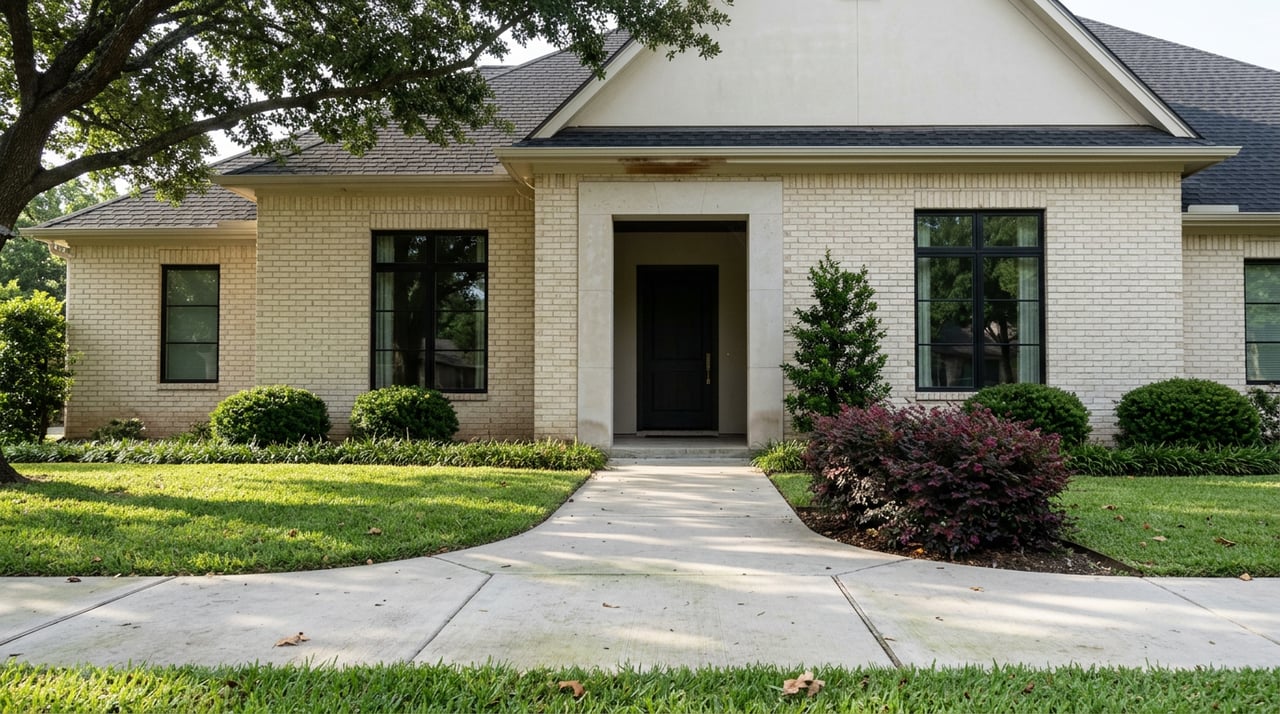
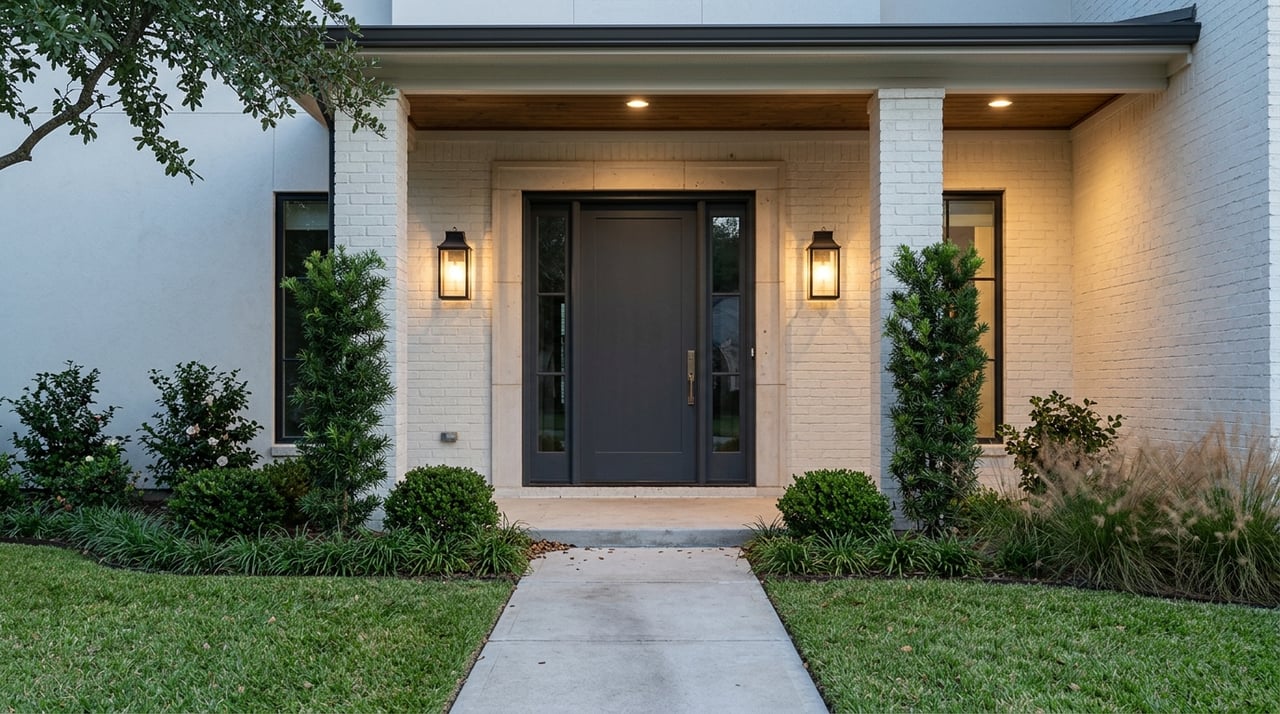
In The Woodlands, the outside of the home is part of the pricing conversation in a very real way. The Township states that the community has formal Covenants and Standards designed to preserve architectural quality and uphold property values, and most properties are subject to permit review for construction, alteration, or repair.
That makes exterior condition and compliance especially important. If a property shows obvious exterior issues or changes that may not align with neighborhood standards, buyers may see more risk, and that can affect pricing power.
Some homes in The Woodlands benefit from lot features that are hard to duplicate. The community was designed around forest preserves, greenbelts, and natural waterways, and the Township maintains extensive streetscapes and greenbelt areas to protect the living forest.
Because of that design, lot orientation can be a real factor in value. Privacy, wooded buffers, trail adjacency, and other outdoor setting features may attract stronger buyer interest.
Not automatically. A premium should be proven with nearby sales, not assumed.
That is an important point for sellers. A beautiful setting can support a higher price, but the market still needs evidence from recent comparable sales to justify how much more a buyer is likely to pay.
The Woodlands has an amenity base that stands out. The Township says it maintains more than 150 parks, more than 220 miles of pathways, 14 pools, boat houses, recreation centers, and major event spaces.
Homes near parks, trails, village amenities, or water-oriented recreation often attract stronger interest. Still, the size of any price premium should be measured against comparable sales rather than guessed.
School assignment can affect how buyers search, and in The Woodlands that detail is tied closely to location. The Township identifies Conroe ISD, Tomball ISD, and Magnolia ISD as the districts serving the community, and assignments vary depending on where the home is located.
For pricing purposes, that means you should be careful about broad assumptions. It is another reason why hyperlocal analysis often gives you a clearer answer than a one-size-fits-all value estimate.
It can be tempting to begin and end with an online value estimate. The Appraisal Institute warns that websites can rely on unreliable information and may miss a property’s real value.
That does not make online estimates useless. It just means they are best treated as a starting point, not the final answer.
The most reliable approach is usually a step-by-step one grounded in local data. In The Woodlands, that means looking at your home through the same lens buyers and appraisers use.
A practical pricing process often looks like this:
With inventory up year over year, competitive pricing from day one matters. A defensible asking price is usually a range built from local evidence, not a single automatic number.
If you are selling in The Woodlands, the biggest pricing factors usually come down to a few core questions. How similar are your best sold comps? How does your village location shape demand? What is the true condition of the home today? Does your lot offer privacy, greenbelt access, or another setting advantage? And how does your home compare to current competition?
When you answer those questions honestly, pricing becomes much clearer. That clarity helps you attract serious buyers, protect your negotiating position, and avoid the drag that often comes from overpricing.
If you want a pricing strategy that reflects current conditions in The Woodlands and the specifics of your home, Serene Wong can help you build a data-backed value range and a smart plan to bring your home to market.
Stay up to date on the latest real estate trends.

Coming Soon
EXCITING NEWS — SKW REVENUE SHARE IS COMING!