Preparing Your Sugar Land Home For A Strong Sale
If you want your Sugar Land home to stand out, the goal is not to out-renovate every listing on the market. It is to make buyers feel confident the home has been cared for, priced well, and presented beautifully from the first photo to the final showing. In a market where homes are still moving but buyers can be selective, the right prep plan can help you reduce objections and protect your sale. Let’s dive in.
Recent 2026 market data points to an active market in Sugar Land, but not one where sellers can rely on timing alone. HAR reported a median price of $547,500, 122 transactions, and 19 days on market in May 2026, while Redfin's rolling three-month snapshot ending in May 2026 showed a median sale price of $480,213 and 28 days on market.
The exact numbers vary by source, but the message is consistent. Buyers are still buying, yet they have enough choice to compare condition, presentation, and price closely. That means your prep work should focus on what helps your home show cleanly, photograph well, and feel move-in ready.
Before you think about décor, start with condition. Visible repair issues can trigger buyer concern fast, especially when they suggest larger problems with the roof, foundation, plumbing, electrical, or drainage.
A smart prep order for Sugar Land sellers is simple: handle structural and safety concerns first, major systems second, and cosmetic improvements last. That sequence lines up with Texas disclosure requirements and with the kinds of issues most likely to affect buyer trust and closing timelines.
Walk through your home room by room and make a written list of what stands out. Look for cracked caulk, stained ceilings, sticking doors, damaged trim, worn paint, aging fixtures, and signs of deferred maintenance.
Then compare your notes to the Texas Seller’s Disclosure Notice. For previously occupied single-family homes, that form asks about roof issues, foundation or slab movement, plumbing, electrical systems, termites or wood rot, drainage problems, water damage, flood insurance, and prior flood claims or assistance.
In Sugar Land, many common home projects require permits. The city’s homeowner permit guidance includes roof replacement, foundation repairs, driveway or sidewalk expansion, siding, additions, pools or pool decks, generators, solar panels, fences, water heaters, repiping, sewer lines, water softeners, irrigation and backflow devices, and plumbing, HVAC, or electrical service work.
Because permits are valid for 180 days, it helps to plan these items well before listing if possible. If you have completed major work, keep copies of permits, invoices, and contractor information organized so you can answer buyer questions clearly.
Paperwork may not be glamorous, but it can make your sale smoother. When buyers see that you are organized and transparent, it often creates confidence before inspections even begin.
This is especially important in Sugar Land, where floodplain awareness is part of the local market conversation. The city participates in the National Flood Insurance Program, provides parcel-level floodplain maps, and allows property owners to request a flood-zone verification letter from the city engineer.
If your property has flood-related history, gather it early. That can include flood insurance records, flood claim history, and documentation of drainage improvements or flood mitigation work.
Having these records ready does not just help with disclosure. It can also help buyers understand the property more clearly and reduce delays when questions come up during due diligence.
If your home was built before 1978, federal law requires sellers to disclose known lead-based paint hazards and provide any available records or reports. Buyers must also be given an opportunity to test before closing.
If you plan to do renovation, repair, or painting that may disturb lead-based paint, that work must follow lead-safe requirements. This is one more reason to plan pre-listing repairs early rather than rush them right before your home hits the market.
Once the home’s major issues and documents are under control, shift your attention to presentation. This is where many sellers get the biggest visual impact without taking on a major remodel.
The strongest pre-listing recommendations in the 2025 Remodeling Impact Report were painting the entire home, painting a single interior room, and installing new roofing. The same report also showed strong cost recovery for a new steel front door, closet renovation, and a new fiberglass front door.
Fresh paint can make a home feel cleaner, brighter, and more current. If your walls are heavily personalized, scuffed, or uneven in color, repainting can help buyers focus on the home itself instead of your décor choices.
Stick with neutral tones that make rooms feel open and easy to picture living in. The goal is not to make the house feel bland. It is to make it easier for buyers to imagine their own furniture, art, and daily life in the space.
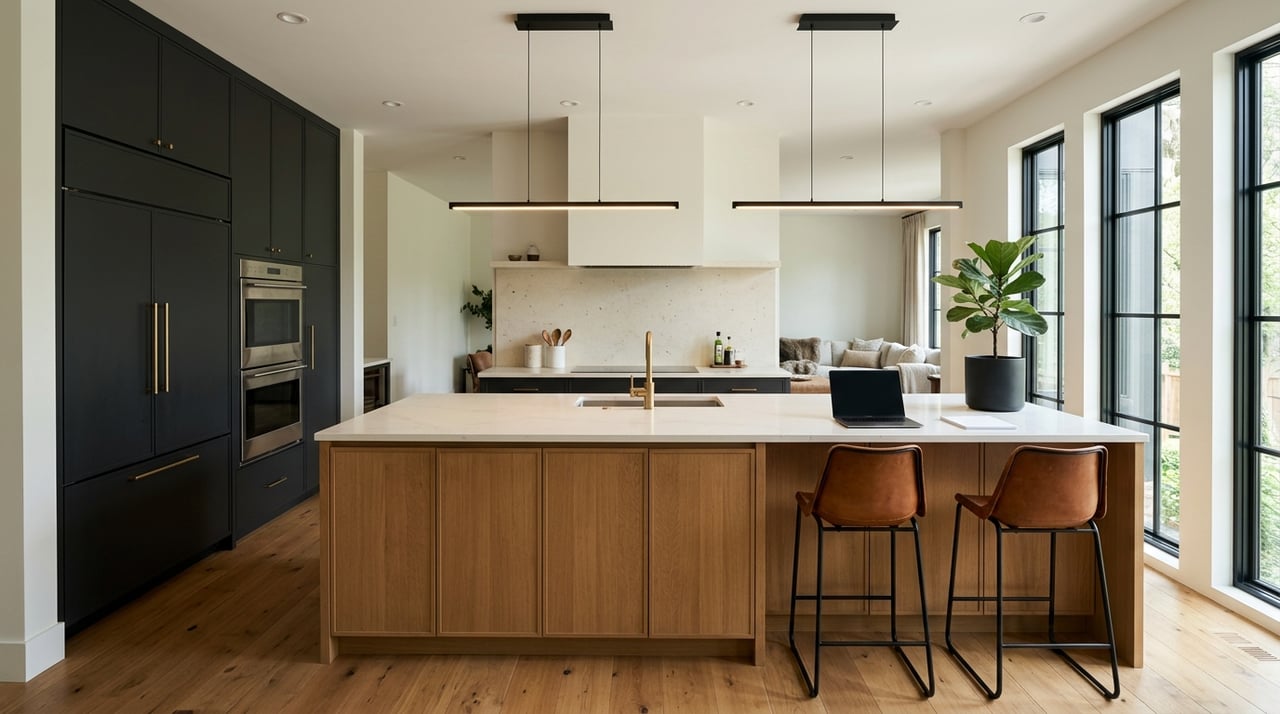
Many sellers wonder if they should renovate the kitchen before listing. Usually, the better move is to fix what is worn or broken, improve cleanliness and lighting, and invest in updates buyers notice immediately.
In many cases, paint, front-entry improvements, decluttering, and visible condition fixes deliver more immediate value than a large discretionary remodel. Unless your kitchen has functional problems or obvious damage, a full renovation may not be the best use of your prep budget.
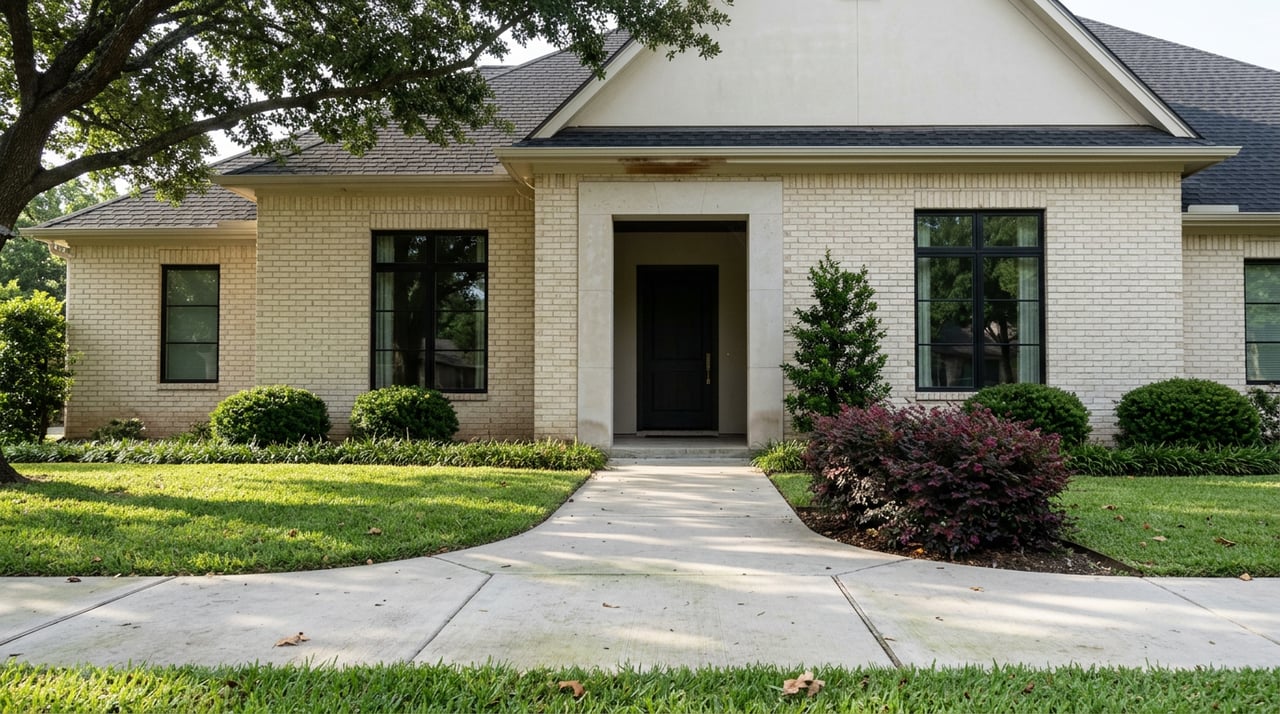
Buyers start forming opinions before they walk through the front door. That makes curb appeal one of the most important parts of your prep plan.
Research shows this clearly. Most real estate professionals recommend curb appeal improvements before listing, and nearly all say curb appeal matters in attracting buyers.
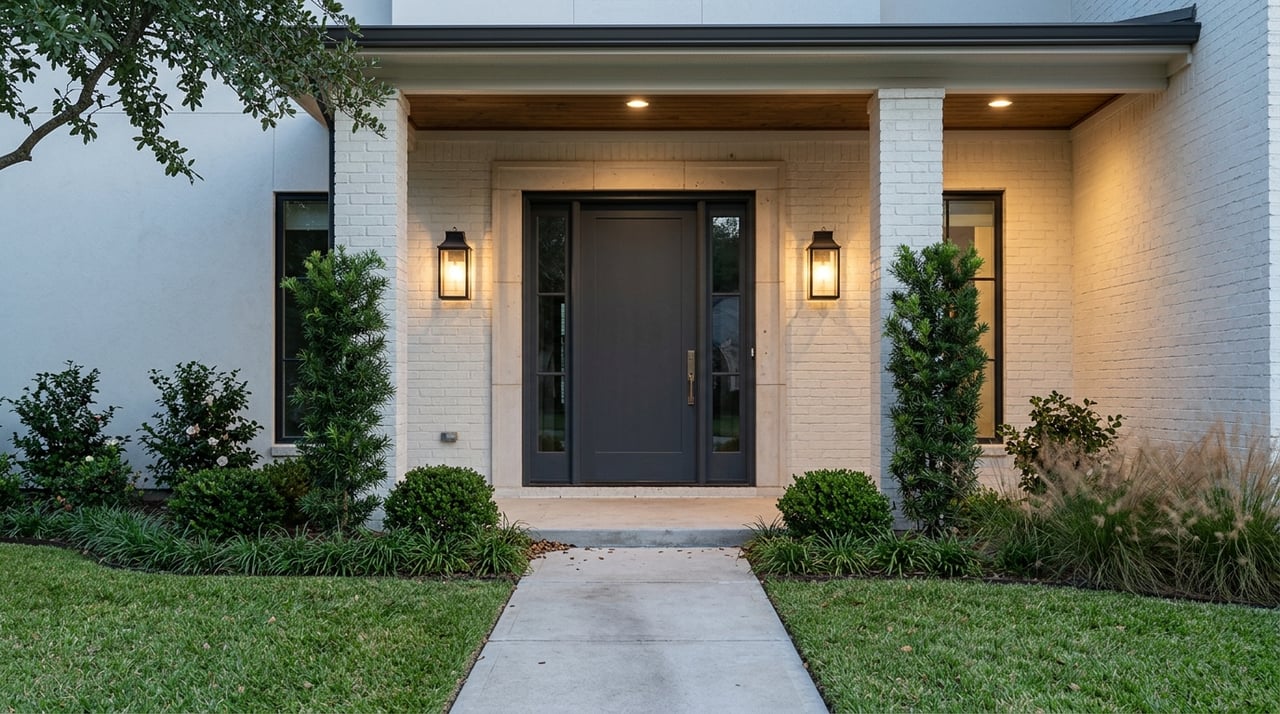
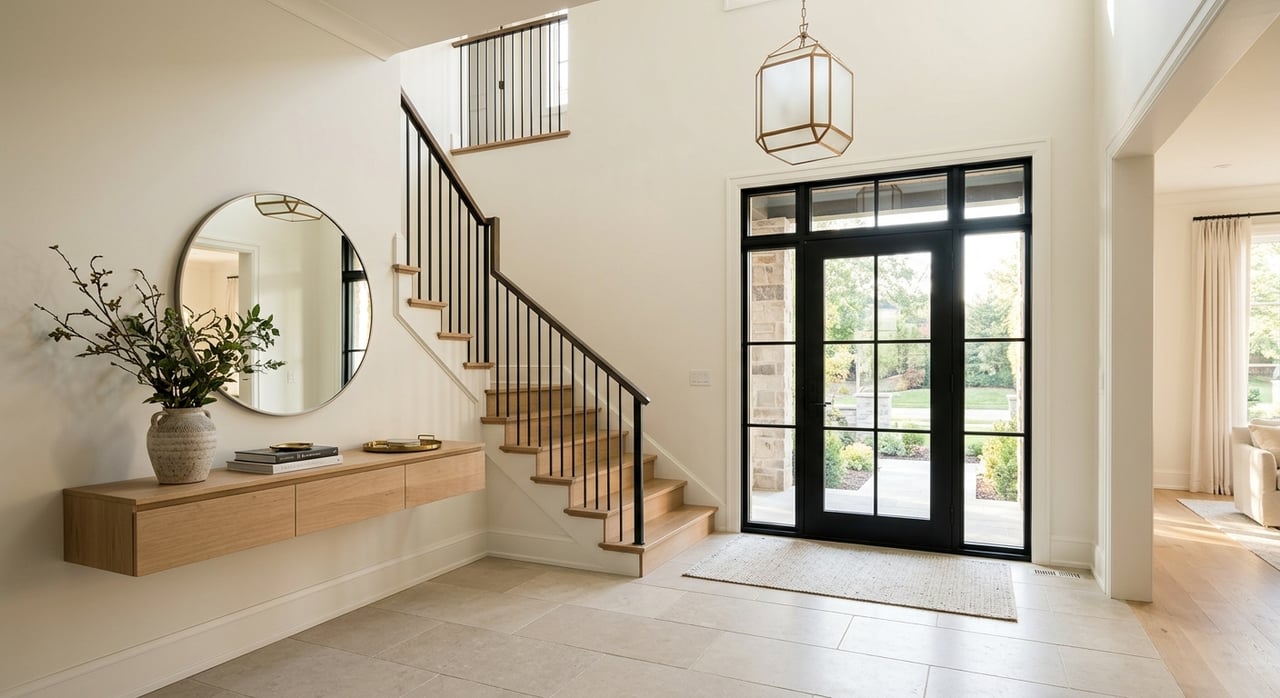
Your front door, porch, walkway, and landscaping should feel neat and intentional. A clean entry, trimmed plants, edged lawn, and fresh-looking door can change the entire first impression.
If you want a practical place to spend money, front-entry updates can be a strong choice. The 2025 Remodeling Impact Report found especially strong estimated cost recovery for a new steel front door and a new fiberglass front door.
Pressure washing, touching up trim, removing clutter, and making sure exterior lighting works are simple but effective steps. Buyers often read exterior neglect as a sign that larger maintenance may have been deferred.
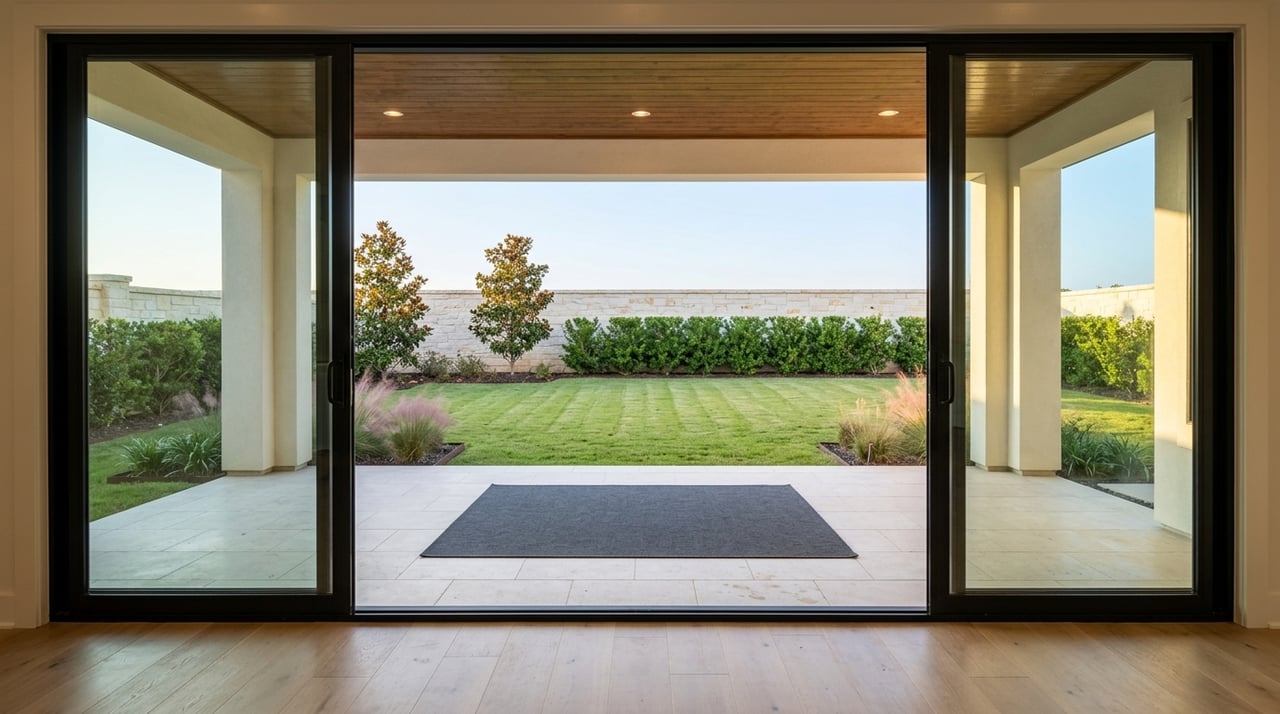
Even if you are not doing major exterior work, a tidy yard and polished front approach can make your home feel more move-in ready from the start.
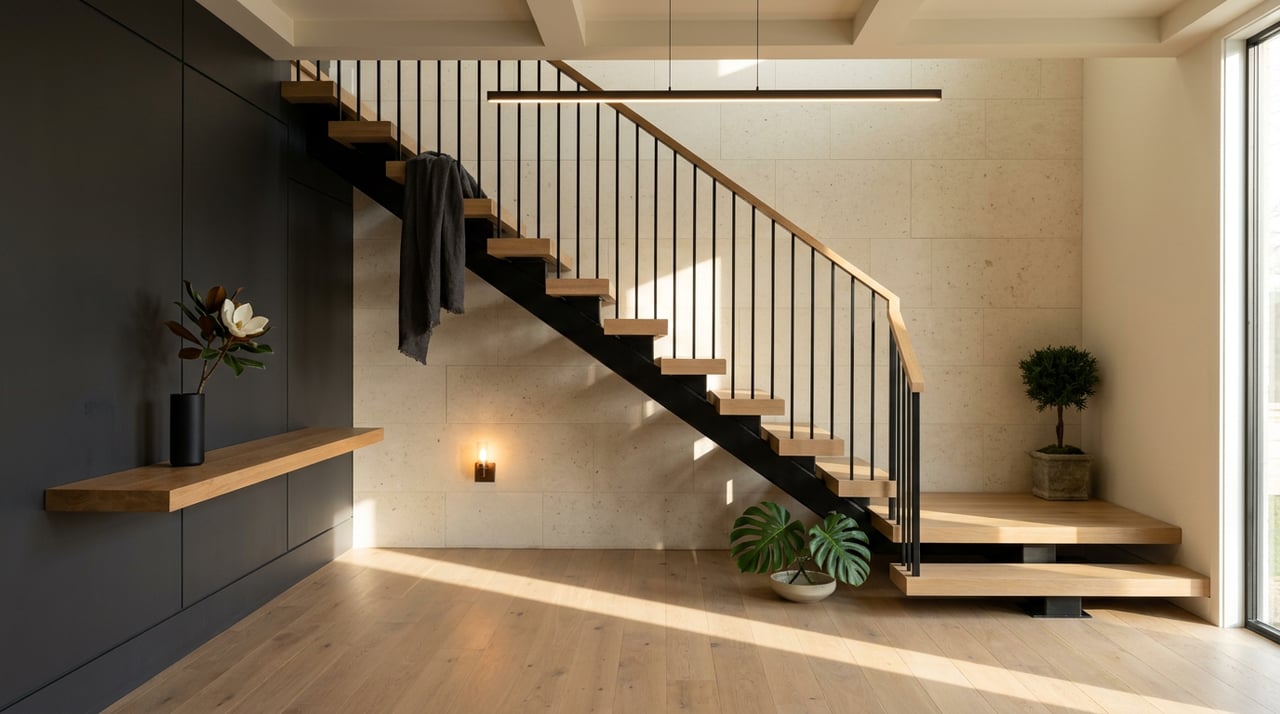
After repairs and curb appeal, staging is what helps your home feel inviting in person and in listing photos. It does not have to mean fully furnishing every room from scratch.
NAR guidance emphasizes cleaning, decluttering, repairing, depersonalizing, and using neutral décor so buyers can imagine the home as their own. When time or budget is limited, focus first on bedrooms, living rooms, and bonus spaces.
Storage matters to buyers, and packed closets can make a home feel smaller. Remove extra items so closets, cabinets, and pantry shelves look functional and spacious.
The same idea applies to countertops, laundry areas, and garage zones. Clean, organized storage suggests the home lives comfortably and has room to grow with a buyer’s needs.
If a room could be interpreted three different ways, buyers may not know how to value it. Give each room a clear use, whether that is dining, office, guest room, or play space.
This becomes especially important in larger Sugar Land homes with flex rooms or bonus areas. Buyers tend to respond better when they can quickly understand how the layout works.
If your home is vacant, avoid leaving it completely empty if you can help it. A few well-placed furnishings and accessories can help rooms feel warmer and keep large spaces from reading smaller or more awkward than they are.
Staging can also help your home compete with similar listings. NAR’s 2025 staging report found that 29% of agents saw staged homes increase offered dollar value by 1% to 10%, and 49% of sellers’ agents said staging reduced time on market.
A clear timeline can keep the process from feeling overwhelming. Instead of doing everything at once, break your prep into phases.
At this stage, focus on planning and major decisions.
Now shift into visible improvement mode.
This is the final polish before your home goes live.
Preparing your Sugar Land home for sale is not about doing the most. It is about doing the right things in the right order.
When you fix visible defects, organize your disclosures, and then invest in clean presentation, you give buyers fewer reasons to hesitate. In a market where condition and first impressions matter, that kind of preparation can help your home stand out for the right reasons.
If you’re getting ready to sell in Sugar Land and want a practical, data-informed plan for what to do first, connect with Serene Wong for guidance tailored to your home and timeline.
Stay up to date on the latest real estate trends.

Coming Soon
EXCITING NEWS — SKW REVENUE SHARE IS COMING!