Everyday Life In Cypress: Schools, Parks, Community

Wondering what day-to-day life really looks like in Cypress? If you are weighing a move, you likely care about schools, green space, and how easily you can handle errands and commutes. You want a clear, local view so you can feel confident about your next step. This guide walks you through the essentials, from education and parks to neighborhood costs and lifestyle rhythms. Let’s dive in.
Cypress is an unincorporated part of Harris County northwest of Houston. Instead of a single city government, services come from the county, special districts, and homeowners associations. The area includes many subdivisions and master-planned communities, each with its own set of amenities and rules.
Housing ranges from established subdivisions to newer construction in master-planned neighborhoods. Many homes feature larger lots and family-focused floor plans. You will also find apartments and retail pockets along major corridors, especially near US-290 and the Grand Parkway.
Locals often use the name “Cypress” to describe a broad area that spans several ZIP codes and school zones. Because boundaries and attendance zones vary, it is important to verify details by address before you decide on a neighborhood.
Cypress-Fairbanks Independent School District (CFISD) serves many Cypress neighborhoods. Some fringe areas feed into other districts, so always confirm your specific address. Attendance boundaries can change from year to year, which is why district maps and official lookups matter.
Families often review several factors when comparing campuses. These include school accountability ratings, feeder patterns, Advanced Placement or other advanced academics, career and technical education, fine arts, and extracurricular opportunities like robotics, band, or athletics. You can also explore PTA involvement and campus communication to understand school culture. For current performance, check district resources and state accountability reports.
You will find a mix of private and parochial schools in and around northwest Houston. Early-childhood providers include Montessori programs, daycare centers, and community-based preschools. Availability and enrollment processes vary by provider. It helps to tour, join interest lists early, and ask about class sizes, schedules, and after-care.
Area residents have access to community college resources through regional systems that serve northwest Houston. Dual-credit, workforce training, and continuing education may be available through partnerships with local districts. If college or certificate programs are on your radar, review current offerings and enrollment timelines before you move.
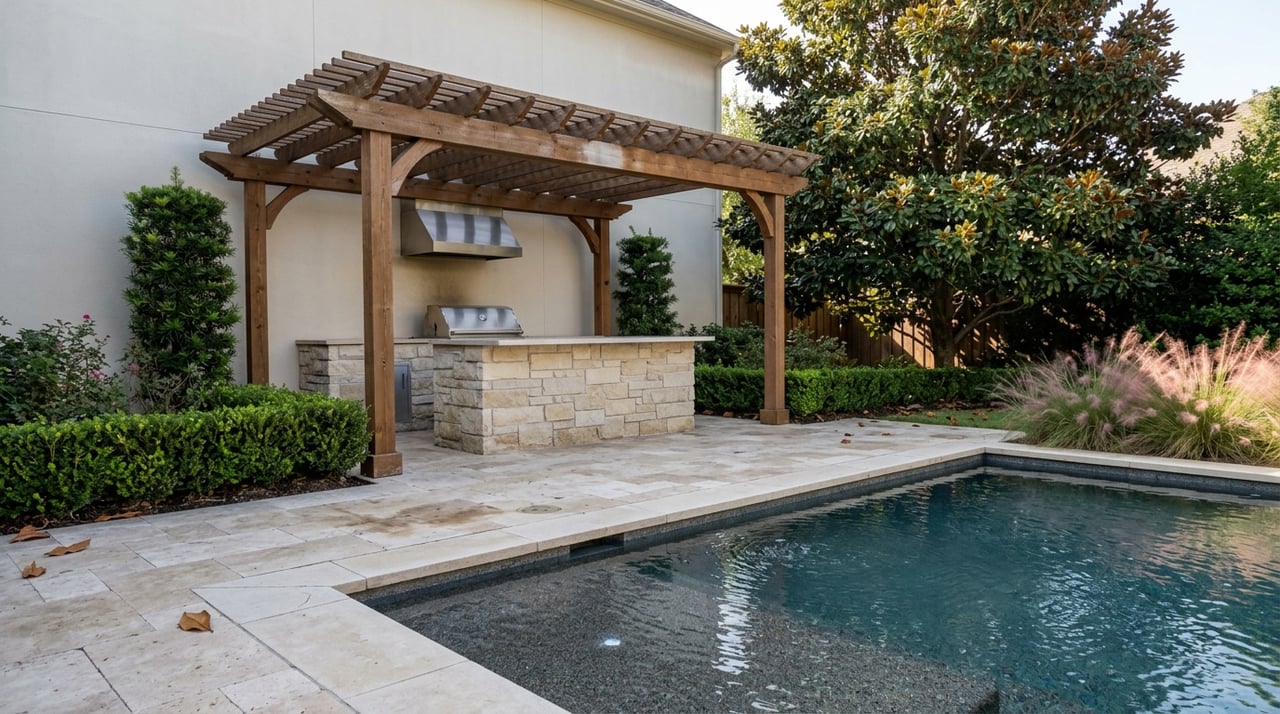
Cypress offers a blend of county parks, creekside greenbelts, and neighborhood amenities. Many master-planned communities include pools, splash features, playgrounds, and clubhouses for residents. Public parks and linear trails give you space to walk, bike, and enjoy the outdoors.
If you want daily green time, proximity matters. Some subdivisions feature pocket parks within a short walk. Others place you near larger county parks with sports fields, fishing spots, or picnic pavilions. Trails along creeks and greenways can connect you to longer bike rides and weekend runs.
Before choosing a home, look up nearby county parks and trail corridors to see what is truly close. Check park hours, restroom availability, dog rules, and whether pavilions require reservations for birthday parties or gatherings. A quick map review can confirm if a park is within a 10 to 20 minute walk from a specific address.
Cypress has grown alongside major roadways, which means you will find most daily needs within short drives. Grocery stores, pharmacies, banks, and big-box retailers cluster along US-290 and other regional connectors. Dining options range from quick family spots to local eateries. If you want specialty or large-format shopping, you can reach bigger retail hubs across northwest Houston.
You can access primary care clinics, urgent care centers, and specialty providers within the region. Larger hospital systems in greater Houston support more advanced needs. Childcare options include daycare centers, in-home providers, and after-school programs connected to local schools. Capacity and hours vary by location, so plan to call ahead and join waitlists early if you are moving with young children.
Many weekends revolve around youth sports, neighborhood pools, and community events. You can find library programs, fitness classes, and seasonal gatherings hosted by HOAs or local organizations. The social rhythm often centers on schools, parks, and neighborhood amenities, which makes it easy to meet neighbors and plug into new routines.
Cypress is largely car dependent. US-290 is the primary east and southeast route toward central Houston. The Grand Parkway, also known as State Highway 99, helps connect you to other suburban job centers and retail districts. Local arterials provide access between subdivisions, shopping centers, and schools.
Traffic patterns shift with construction and school schedules. If you plan to commute to downtown, the Energy Corridor, or the Galleria area, check drive times during peak hours. Many residents use flexible schedules, hybrid work, or reverse-commute destinations to avoid the heaviest traffic.
Public transit is more limited here than in inner-city neighborhoods. Park-and-ride or commuter bus options may exist for specific routes depending on your origin and destination. Services and schedules can change, so verify current offerings with the local transit agency if a bus commute is part of your plan.
Most master-planned communities have active HOAs that maintain common areas and oversee neighborhood standards. Common amenities include pools, playgrounds, clubhouses, and fitness or sports courts. HOAs typically charge recurring dues, and they may have architectural or use rules that affect home changes and outdoor storage.
Before you buy, review the covenant documents and fee schedules so you understand the rules and costs. Ask about transfer fees, amenity wristbands, and guest policies. If you plan to add a pool, remodel, or install solar, check the design-review process and timelines.
Property taxes are a significant part of monthly costs. Many neighborhoods sit within Municipal Utility Districts or other special districts that help fund water, sewage, drainage, or infrastructure. These can affect your overall tax rate and utility billing. To get an accurate picture, review the county appraisal records for the specific home and confirm the taxing entities tied to that address.
Law enforcement services are provided by Harris County agencies, and some neighborhoods contract private patrols. Crime levels can vary by subdivision and block. If safety is a priority, use county crime maps and official reports to compare areas. For day-to-day services like permitting, animal control, and road maintenance, check Harris County resources for the precinct that serves your neighborhood.
If you value space, newer construction, and community amenities, Cypress offers a lot to like. Many neighborhoods were designed with outdoor time and local social life in mind. You can build routines around parks, school events, and nearby shops without leaving the area for daily needs.
The tradeoffs are typical for suburban life. You will rely on a car, and commute times can fluctuate. HOA rules and special districts add structure and cost, which can be positive for maintenance and services but require some planning. With a clear view of your priorities and a property-by-property check of schools, parks, and taxes, you can find a great fit.
Ready to explore homes and neighborhoods that match your daily rhythm in Cypress? Reach out to Serene Wong for neighborhood guidance, a clear plan, and a smooth path to your next move.
Stay up to date on the latest real estate trends.


Compensation Plan
Why Agents Are Joining SKW Realty?

Revenue Share Program
SKW REVENUE SHARE IS COMING!